Ginseng Supplement Benefits: Evidence, Dosage, and Safe Use
“Ginseng gives you instant energy” is one of the most repeated pieces of supplement advice in the UK. It's also too simple. Ginseng is a researched botanical with signals in some areas, but the evidence doesn't justify treating it as a universal tonic, a medicine, or a guaranteed route to better vitality.
The sensible question isn't whether ginseng has benefits at all. It's which type, extract, dose, and health outcome have been studied, and whether the result is strong enough to guide everyday use. UK buyers also need to separate research findings from permitted supplement claims, because a product sold on a supermarket shelf isn't automatically a treatment for fatigue, erectile dysfunction, diabetes, or cognitive decline.
Table of Contents
- Why Ginseng Is Everywhere and What It Can Realistically Do
- A Short History of Ginseng From Asia to UK Shelves
- The Evidence Behind Ginseng Supplement Benefits
- How to Dose Ginseng for Daily Use
- Safety, Side Effects, and Drug Interactions
- Panax vs American vs Siberian Ginseng Compared
- How to Choose a Quality Ginseng Extract in the UK
- A Realistic UK Routine and Frequently Asked Questions
Why Ginseng Is Everywhere and What It Can Realistically Do
Ginseng has become familiar in UK wellness culture because it fits several popular ideas at once. It's plant-based, associated with traditional Asian medicine, and commonly marketed for energy, focus, stamina, immunity, and men's vitality. Capsules, powders, teas, drinks, and combination formulas can all use the word “ginseng”, even though the species and extract may differ substantially.
That label matters. Panax ginseng, often called Asian or Korean ginseng, is not interchangeable with American ginseng or so-called Siberian ginseng. The products may contain different active compounds, and research on one plant shouldn't automatically be transferred to another.
UK regulation also sets a firm boundary. The MHRA guidance on food supplements means supplement marketing must not present a food supplement as treating or preventing disease. A brand can't responsibly turn a mixed research signal into a promise that its capsule will cure fatigue, restore sexual function, reverse cognitive decline, or control diabetes.
What the evidence can and cannot support
A UK-focused review notes that there are no approved health claims for ginseng in the UK, despite research into possible effects on focus, sexual function in men, cholesterol, cognition, and cardiovascular health. A major umbrella review published in 2023 found beneficial signals across outcomes including fatigue, physical function, sexual function, menopausal symptoms, metabolic and inflammatory markers, blood pressure, body-weight measures, unstable angina, and respiratory disease, but it also stressed that findings are mixed and that more research is needed. Read the 2023 umbrella review of ginseng evidence for the wider context.
That combination is the useful conclusion. Ginseng may help some people in particular circumstances, but it hasn't earned a broad UK therapeutic claim. It belongs in the category of a researched-but-unproven supplement.
Practical rule: Treat packaging as a description of a product, not as proof that the product will deliver the advertised outcome.
The rest of the decision comes down to matching the plant and extract to a realistic goal, checking the label, avoiding medicine interactions, and stopping if unwanted effects appear.
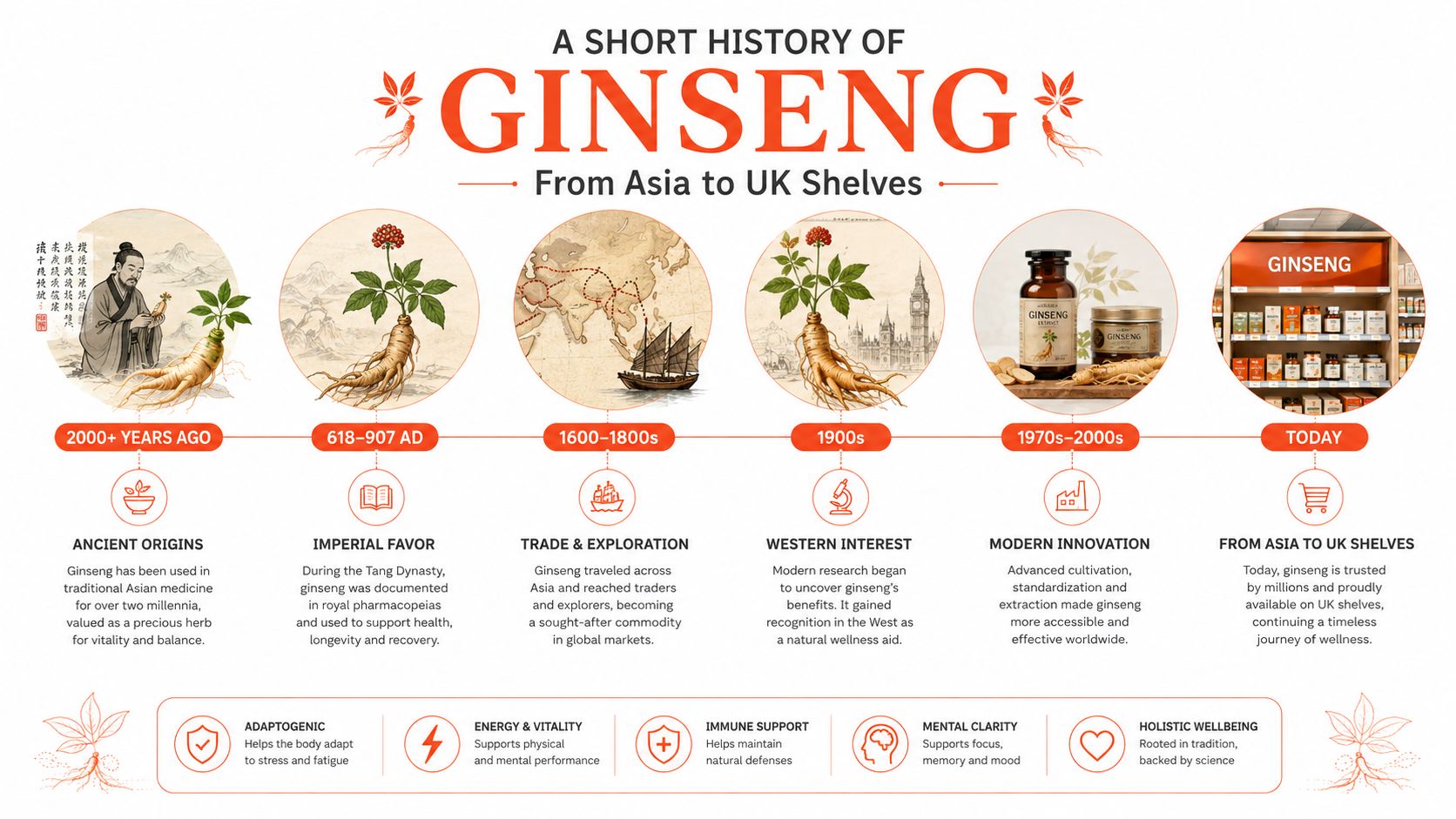
A Short History of Ginseng From Asia to UK Shelves
Ginseng's story starts with the root, not the capsule. In Traditional Chinese Medicine, Panax ginseng was valued as a restorative botanical and used within a broader pattern-based approach. Practitioners didn't necessarily prescribe it because someone reported tiredness. They considered the person's wider presentation, constitution, and symptoms.
Korean and Japanese herbal traditions developed their own approaches to Panax species. Processing also became part of the identity of the product. Dried root is often described as white ginseng, while steamed and dried root becomes red ginseng. That processing can change the chemical profile, which is one reason “red ginseng” research shouldn't be treated as identical to research on every ginseng powder or extract.
Three plants, one crowded name
As trade expanded, Asian ginseng entered Western herbal practice, while Panax quinquefolius, or American ginseng, developed its own place in herbal medicine. It's now commonly associated with research into glucose responses and post-meal blood sugar, although that doesn't make every American ginseng product clinically equivalent.
Siberian ginseng followed a different path. Eleutherococcus senticosus isn't a true Panax ginseng and doesn't contain the same ginsenoside profile. Its active compounds are usually discussed as eleutherosides, yet products may still use the familiar word “ginseng” because that name is recognisable to shoppers.
This history explains the confusion on UK shelves. A buyer may see Asian, American, and Siberian products beside one another in a pharmacy, health shop, or online marketplace, with little explanation of the traditions, chemistry, or evidence behind each one. The word “ginseng” tells you less than the full botanical name and standardised extract information.
The Evidence Behind Ginseng Supplement Benefits
Ginseng supplement benefits cannot be judged with a simple yes-or-no answer. Trials examine different outcomes, preparations, doses, and participant groups. A result from one extract, such as a red ginseng preparation, cannot automatically validate every powder, capsule, or claim printed on a UK label.
The 2023 umbrella review found possible benefits for fatigue and physical function compared with control treatments, particularly placebo, but its overall conclusions were mixed. The UK evidence supports cautious interest rather than a promise of a dramatic energy lift. That distinction matters because a plausible biological mechanism is not the same as a dependable result in daily life.
Energy and physical function
Healthy adults commonly buy ginseng for everyday vitality. Research has not firmly established a general energy benefit in otherwise healthy people. The adaptogenic claim remains unconfirmed by clinical outcomes, while pooled reductions in fatigue were not statistically significant. In the cited analysis, the SMD was -0.36, with a 95% confidence interval from -0.82 to 0.11.
For a deeper look at what ginseng can and cannot do for everyday vitality, see our guide to ginseng for energy and stamina. Marketing language should reflect the uncertainty around these findings, rather than turning a small or inconsistent signal into a promise.
An individual may still notice a change. Personal experience can guide a decision about whether to continue, but it cannot show that ginseng reliably improves energy for healthy adults.
Cognition and concentration
Small studies have examined attention, working memory, and other measures of mental performance. Some short-term findings suggest modest changes in particular tasks. Longer-term evidence is weaker, and it does not establish protection against cognitive decline.
Claims about “brain power” therefore go beyond what the research can safely support. A better interpretation is that certain preparations may affect selected test results under specific study conditions, while their value for routine concentration remains uncertain.
Sexual function
Sexual function has one of the clearer historical signals in ginseng research, although the evidence remains limited. A Cochrane review summarised by the MSD Manual UK discussion of ginseng included 9 studies with 587 participants and found that ginseng may improve erectile function compared with placebo. The same summary found no evidence for several broader health claims.
A later Cochrane analysis found only a trivial, clinically unimportant improvement on the IIEF-15 erectile-function domain. The mean difference was 3.52, with a 95% confidence interval from 1.79 to 5.25, based on 3 studies involving 245 participants. For the IIEF-5, the mean difference was 2.39, with a 95% confidence interval from 0.89 to 3.88, across 3 studies involving 236 participants.
The review of ginseng for erectile dysfunction supports describing ginseng as a possible low-certainty adjunct. It does not justify presenting it as a strong performance enhancer.
Blood sugar and immunity
Small trials have examined post-meal glucose responses and immune outcomes. The findings do not establish ginseng as a diabetes treatment or a dependable way to prevent infections. People with diabetes should not replace prescribed care with a supplement.
| Benefit claim | Key ginsenoside or extract | Trial certainty | Evidence strength |
|---|---|---|---|
| Fatigue and physical function | Panax extracts with mixed ginsenoside profiles | Mixed | Possible benefit, not established for healthy vitality |
| Cognition | Panax extracts, often studied acutely | Limited | Small and inconsistent signals |
| Erectile function | Korean red ginseng and Panax extracts | Low | Possible modest adjunctive benefit |
| Blood sugar | Panax or American ginseng preparations | Variable | Early signals, insufficient for treatment claims |
| Immunity | Various ginseng preparations | Variable | Some promising findings, not a universal prevention effect |
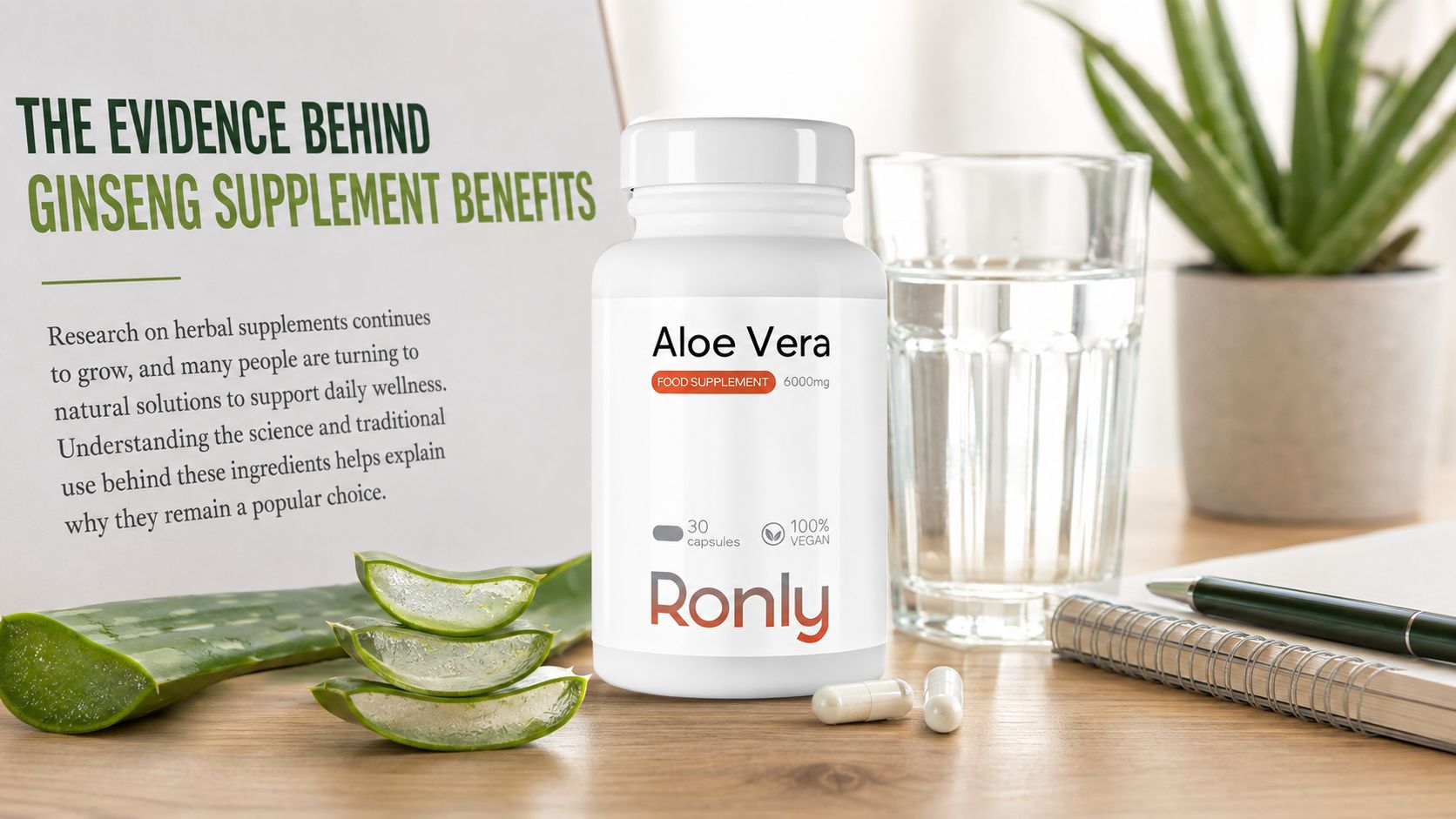
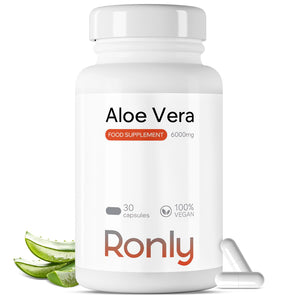
Ginseng should also be kept separate from unrelated botanicals. Aloe Vera 6000mg per Serving (200:1 Extract) is an aloe product, not a ginseng extract. Its product information describes a concentrated Aloe Barbadensis Gel extract in a vegan capsule.
Overall, the evidence is outcome-dependent and generally low certainty. Some preparations may provide modest support for selected outcomes, but important questions about consistency, long-term use, and practical benefit remain unresolved. That is a useful basis for informed UK shopping, not a reason to treat ginseng as a cure-all.
How to Dose Ginseng for Daily Use
The first dosing mistake is comparing unlike quantities. A label may show the total weight of root powder, the weight of an extract, and the amount of ginsenosides. Those figures don't mean the same thing.
A crude root product tells you how much dried plant material is present. A standardised extract should also tell you how much of its characteristic compounds, such as ginsenosides, it contains. Two capsules with the same root-equivalent weight may therefore deliver different amounts of active extract.
A cautious way to read the research
Clinical studies have commonly examined standardised Panax extracts in the region of 200 to 400 mg daily, often with ginsenoside standardisation around 4% to 7%, or crude root amounts around 1 to 2 g daily. These quantities are drawn from the dosing patterns described in the evidence brief, not a universal prescription. The cited MSD Manual UK ginseng reference provides useful UK-facing context, but product labels and extracts still vary.
Take a clearly labelled product with breakfast or lunch. Splitting a dose between breakfast and early afternoon may suit someone who finds a single serving uncomfortable, while evening use is less sensible if it affects sleep.
Keep the routine simple
Older literature often describes cycling rather than uninterrupted use. A conservative reader might therefore discuss a short trial with a pharmacist instead of assuming that daily use indefinitely is necessary.
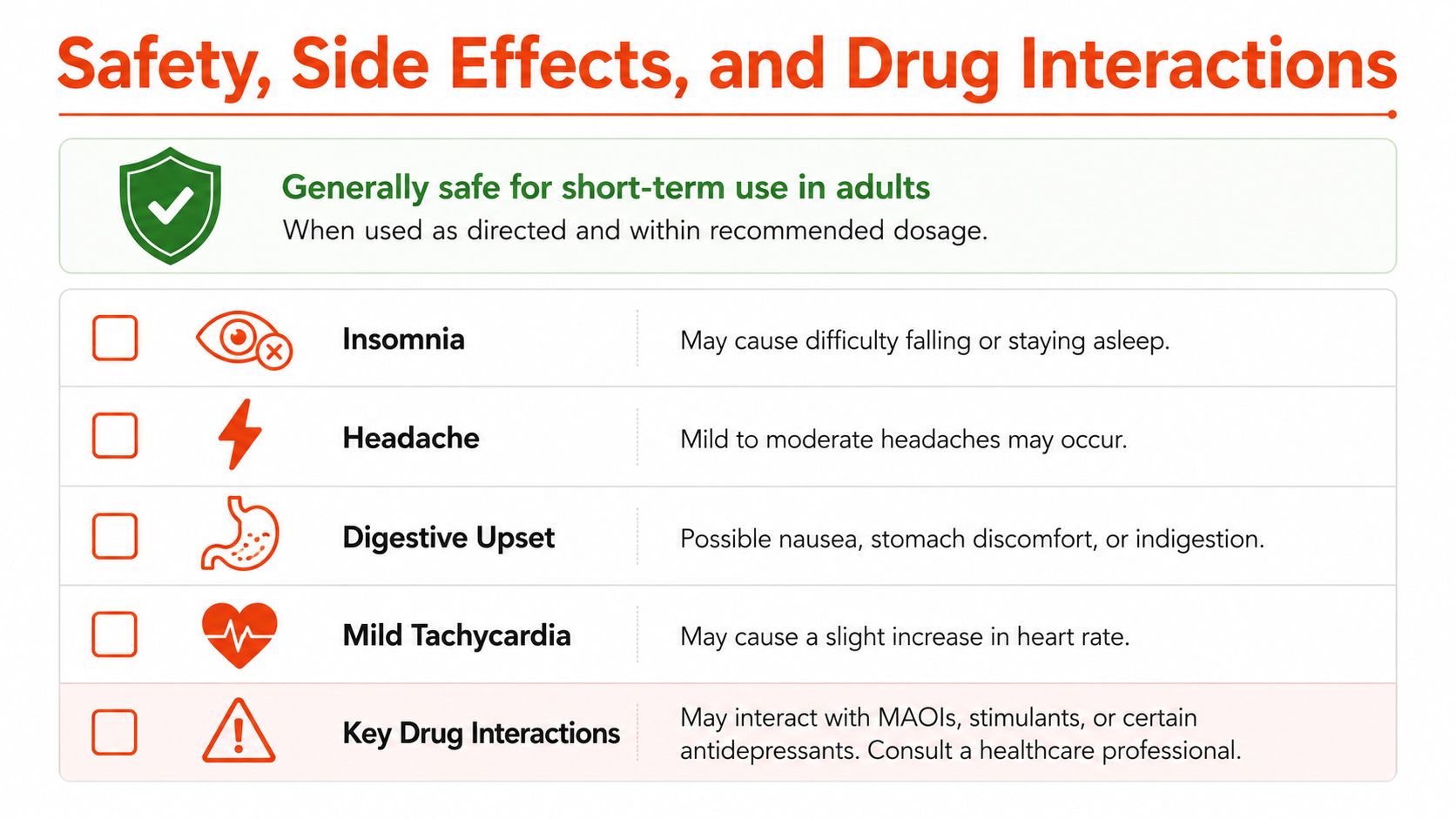
If you miss a morning capsule, don't double the next serving. Take the next dose at the usual time, provided the product is appropriate for you. “More” isn't automatically better. Increasing the amount can increase the chance of insomnia, digestive upset, or other reactions without producing a proportional benefit.
For timing ideas across supplements, compare this guide to taking vitamins and supplements in the morning or at night, while remembering that ginseng's potential sleep effects make late dosing a particular concern.
Safety, Side Effects, and Drug Interactions
The short-term safety picture for Panax ginseng is generally favourable in adults, but “natural” doesn't mean risk-free. A European regulatory assessment found that adverse effects reported in clinical trials were usually mild and reversible, mainly involving gastrointestinal upset, sleep disturbance, and hypersensitivity reactions. The same assessment recorded 17 patient reports between 1963 and 2001, with no fatal outcomes, and found no reported serious adverse events with clear causality. These figures come from the systematic review of Panax ginseng adverse effects.
Symptoms that deserve attention
The practical problems are usually tolerability and interactions rather than acute toxicity at ordinary supplement doses. Watch for:
- Sleep disturbance: Insomnia or restless sleep can appear, particularly if the product is taken later in the day.
- Digestive upset: Nausea, loose stools, or stomach discomfort may mean the preparation doesn't suit you.
- Headache or palpitations: Stop and seek advice if these persist or feel pronounced.
- Skin reactions: Rash or other hypersensitivity symptoms warrant stopping the product and obtaining medical guidance.
The NHS information on herbal medicines states that herbal medicines aren't available through the NHS and lists ginseng among products sold for menopause symptoms. That's a useful reminder that ginseng is treated as a complementary product, not standard NHS medical therapy.
Medicines and higher-risk groups
Avoid self-prescribing ginseng during pregnancy or breastfeeding, and don't give it to infants. People with uncontrolled hypertension, active hormone-sensitive conditions, diabetes, sleep problems, or cardiovascular concerns should seek professional advice before use.
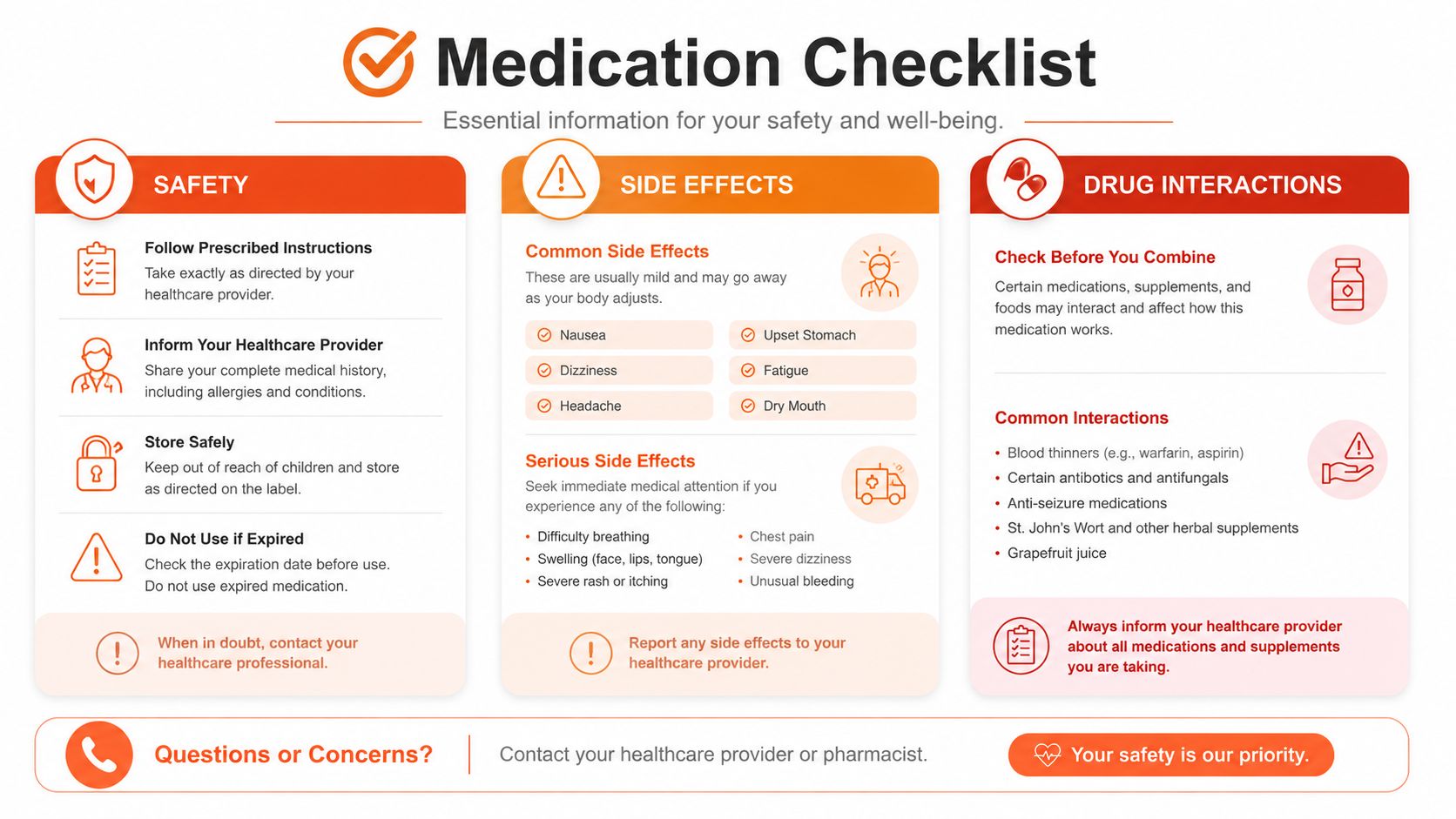
Interactions are the main reason to involve a pharmacist. Particular caution applies to:
- Warfarin and other anticoagulants: Ginseng may affect anticoagulation control.
- Antiplatelet medicines: Combined effects may alter bleeding risk.
- Insulin and oral diabetes medicines: Ginseng may affect glucose control.
- Stimulants and stimulant medication: Combined effects may worsen restlessness, palpitations, or sleep disturbance.
- MAOIs, HRT, and oral contraceptives: Ask a prescriber or pharmacist to check compatibility.
Before surgery, discuss the supplement with the clinical team and follow their advice about stopping it. If you're already managing medicines or symptoms, this overview of Feroglobin side effects illustrates why supplement and medicine checks shouldn't be treated as separate decisions.
Panax vs American vs Siberian Ginseng Compared
The word “ginseng” hides important botanical differences. Panax ginseng, also known as Asian or Korean ginseng, has the deepest trial base among these options and is commonly associated with energy, cognitive demand, and male sexual function. Its notable compounds include ginsenosides such as Rg1 and Rb1.
Panax quinquefolius, or American ginseng, is another true Panax species. It's often discussed in relation to glucose regulation and post-meal blood sugar, with a profile commonly described as richer in Rb1. That research focus doesn't prove that an American ginseng capsule will manage diabetes, and anyone using diabetes medication needs professional advice.
Siberian ginseng is different again. Eleutherococcus senticosus is not a true Panax species, and its active compounds are called eleutherosides rather than ginsenosides. It's marketed for stamina and stress adaptation, but evidence for one species shouldn't be used to validate claims for another.
| Type | Key active compounds | Best-evidenced use | Typical caution |
|---|---|---|---|
| Panax ginseng | Ginsenosides, including Rg1 and Rb1 | Fatigue, physical function, selected sexual-function outcomes | Sleep disturbance and medicine interactions |
| American ginseng | Ginsenosides, often associated with Rb1 | Glucose-related research | Extra caution with diabetes treatment |
| Siberian ginseng | Eleutherosides | Traditional stamina and stress-adaptation framing | Not interchangeable with Panax evidence |
A simple matching guide is useful, but it must stay modest. Panax ginseng is the logical choice for someone interested in the most researched Asian species. American ginseng may be more relevant to glucose research. Siberian ginseng belongs in a separate category and shouldn't be selected merely because its label contains the word “ginseng”.
Always check the Latin name before comparing products. A higher milligram figure on one bottle may reflect a different plant, a different extraction ratio, or plain root powder rather than a stronger evidence-matched preparation.
How to Choose a Quality Ginseng Extract in the UK
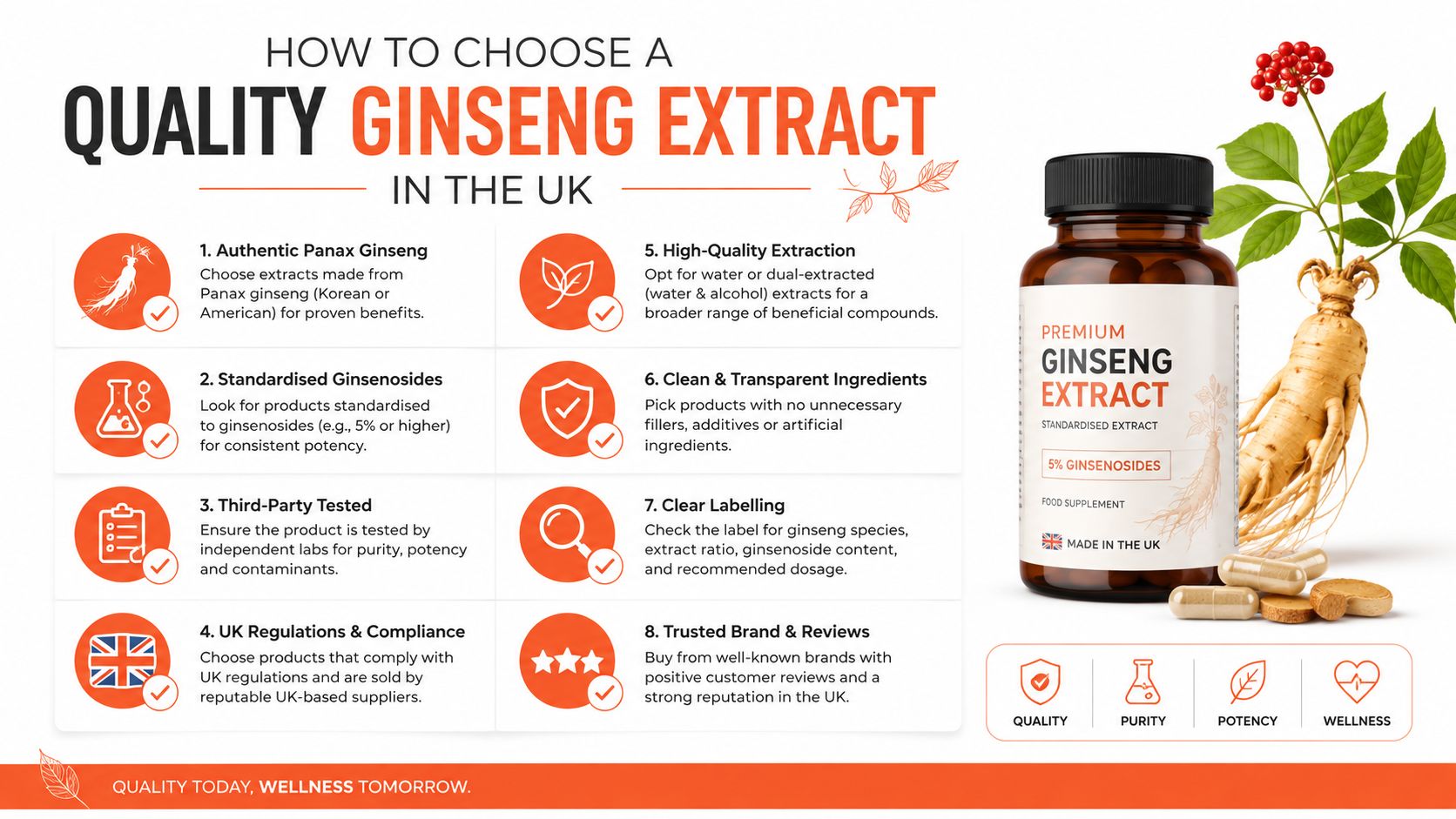
Start with the plant, not the front-of-pack promise. If you're looking for the Asian ginseng research base, the label should clearly state Panax ginseng, rather than just saying “ginseng”. It should also identify the plant part, extract ratio, serving quantity, and the amount of standardised ginsenosides.
A root-equivalent weight without active-extract information makes comparison difficult. A proprietary blend is similarly unhelpful because it can hide the quantity of each ingredient.
The label checks that matter
Use this checklist before buying:
- Botanical identity: Confirm the Latin name and whether the product contains Panax ginseng, Panax quinquefolius, or Eleutherococcus senticosus.
- Extract transparency: Look for the extract ratio and declared ginsenoside quantity.
- Dose clarity: Check how many capsules provide the stated serving and whether that serving is easy to compare with studied preparations.
- Manufacturing details: Look for a batch number, expiry date, tamper-evident packaging, and a manufacturer contact address.
- Testing scope: Prefer products with evidence of testing for identity, heavy metals, pesticides, microbes, and undeclared stimulants or steroids.
- Other ingredients: Review allergens, sweeteners, bulking agents, and capsule materials.
- Independent assurance: Treat third-party certification as useful only when you can see what it covers.
GMP manufacturing can support consistency, but it doesn't prove that ginseng will work for your specific goal. Testing can help confirm what's in the product, while clinical evidence determines how confidently an outcome can be claimed.
Compare the delivered dose
Don't compare products using ginsenoside percentage alone. A higher percentage doesn't automatically mean a greater total daily amount, because the extract quantity may be smaller. Calculate the total standardised extract and ginsenoside amount delivered by the recommended daily serving, then check whether the product tells you enough to make that calculation.
Read this practical guide to supplement labels if terms such as extract ratio, standardisation, and serving size are unfamiliar. UK buyers can also review relevant MHRA or Food Standards Agency safety alerts and ask a pharmacist to assess a product alongside their medicines.
A Realistic UK Routine and Frequently Asked Questions
A defensible routine uses one clearly labelled product at a time. Choose an extract that identifies its species and standardisation, begin with the lowest studied amount stated on the label, and take it with breakfast or lunch. Stacking several ginseng products makes it harder to identify the cause of insomnia, stomach upset, palpitations, or a skin reaction.
Keep a simple diary during a short trial. Record energy, concentration, mood, sleep, blood glucose if you already monitor it, and any unwanted effects. Don't use the diary to justify increasing the dose. Use it to decide whether continuing makes sense.
Questions UK buyers often ask
Will ginseng give me an immediate energy boost?
Not reliably. Trial findings are mixed, and general vitality benefits in healthy adults aren't well established. Treat it as a possible modest support, not a caffeine replacement or guaranteed stimulant.
Can I take it every day?
Some products are intended for daily use, but continuous use isn't automatically appropriate for everyone. Discuss timing and duration with a pharmacist if you have a medical condition or take prescription medicines.
Can I take ginseng for erectile dysfunction?
Research offers a low-certainty signal for erectile function, with clinically limited effects in the cited analyses. Persistent erectile difficulties deserve a GP assessment because they may have an underlying medical cause.
What should make me stop?
Stop and seek advice for persistent insomnia, palpitations, diarrhoea, rash, unusual bleeding, or symptoms that feel severe. Don't respond by switching between extracts or taking more.
Does “natural” mean safe?
No. Avoid combining ginseng with warfarin, antiplatelet medicines, diabetes medicines, stimulants, or HRT without professional guidance. Report suspected reactions through the MHRA Yellow Card scheme, and arrange a GP review if symptoms continue.
Sleep, balanced meals, movement, and prescribed diabetes care remain more dependable foundations than any capsule. NHS guidance also makes clear that herbal medicines aren't supplied through the NHS, so a supplement shouldn't replace an appropriate clinical consultation.
Ronly Health Limited offers UK-manufactured, plant-based supplements and educational guidance for comparing ingredients, labels, and everyday use. Visit Ronly Health Limited to explore its supplement range and evidence-focused wellness articles before choosing a product.